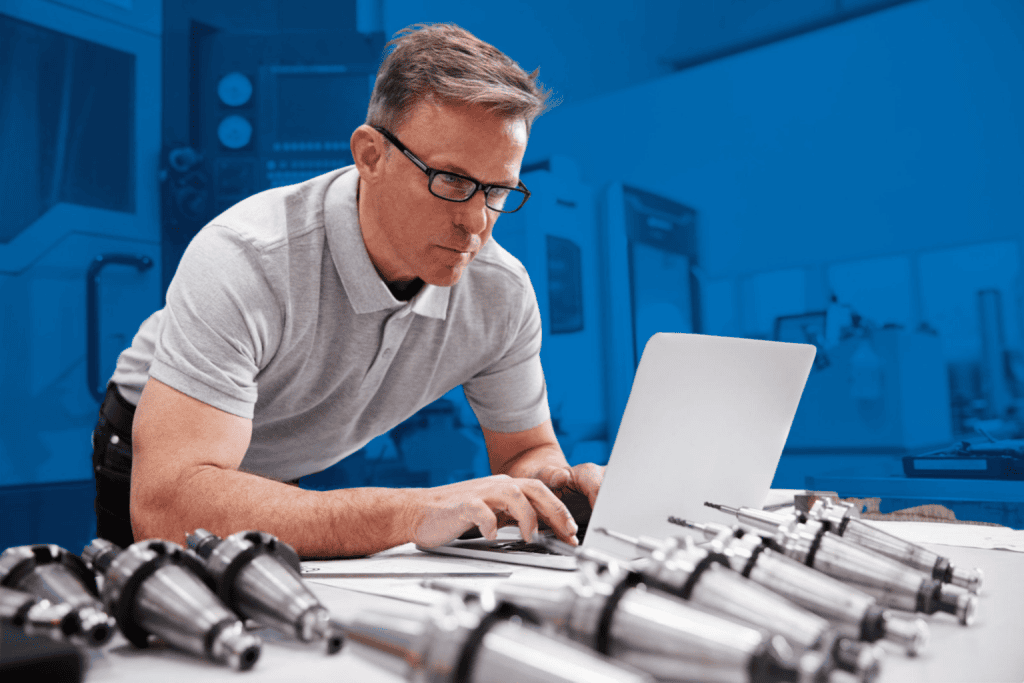
When a business needs new equipment, finance is usually part of the conversation from the start. Change one word to “used” and the tone often shifts. Finance quietly drops off the agenda, on the assumption that lenders only want to back brand new assets.
That assumption deserves a second look. Used equipment can be a practical way to get the machinery, vehicles or other assets a business needs without paying the price of a new equivalent. Where the asset and the business meet a lender’s criteria, finance can still spread the cost. For businesses that want to keep more cash available for day-to-day running, the combination can make good sense.
It will not suit every business or every asset, and finance is never automatic. But used equipment and finance are not mutually exclusive, and plenty of owners only discover that after they have already paid cash.
Used does not have to mean lower quality
There is a real difference between buying used equipment and buying poor equipment. A machine that has been properly maintained, comes with a good service history and has plenty of working life left is a very different proposition from one that is being sold because it is nearing the end of its useful life.
For many businesses, buying used means access to established, proven equipment at a lower price than new. It can also make a higher specification possible. A business that could only justify an entry-level model new might be able to afford a more capable machine second-hand, which matters if the work is demanding or the business expects to grow into it.
So a more useful question than “new or used?” is whether the equipment is suitable for the job, in good enough condition, and likely to give the business the working life it needs. A machine that has been looked after and fits the work can easily beat a new one that does not.
A used asset can still hold its value
Equipment that has had a previous owner is not worthless. Many types of commercial equipment have an established second-hand market, and well-known makes and models tend to hold their value because other businesses are also looking for reliable used kit rather than paying new prices.
That matters when you look at the economics of a purchase. It affects what you might recover if you sell the asset later, and it is one of the things a lender may weigh up.
It is worth being clear about the limits, though. Retained value is not a guarantee, and nobody can say for certain what an asset will fetch in three or four years. Lenders will not automatically finance any used asset put in front of them. They look at the type and age of the equipment, its condition and how easily it could be sold, along with the circumstances of the business applying. Where there is steady demand for a particular type of equipment, a used example makes a reasonable candidate for finance.
Finance can help protect your cash
The strongest reason to finance a used asset has little to do with whether it is new or second-hand. It is about what happens to the business’s cash.
Take a business that needs a piece of equipment costing £30,000. Buying used might bring that figure down considerably compared with a new equivalent. But paying for it outright still means £30,000 leaving the bank account in one go. A business with healthy reserves might cope with that comfortably. Another might find itself short a few weeks later when a supplier invoice, a wage run or a VAT bill land.
Finance, where it is available and appropriate, lets the business acquire the equipment and spread the cost over an agreed period. That can leave cash free for stock, wages, repairs, marketing or a sensible working capital buffer.
Borrowing has a cost, though, and that deserves equal weight. The total repayable will usually be higher than paying in full upfront; the agreement is typically a fixed-term commitment, and the lender may ask for a personal guarantee, which could leave you personally liable if the business cannot keep up the repayments. Affordability matters as much as availability. The repayments need to fit alongside everything else the business has to pay for.
The choice also does not have to be “new equipment on finance” against “used equipment for cash”. There are other combinations, and used equipment finance is one that often gets overlooked.

Where this tends to come up
The businesses that look at used equipment finance are rarely doing anything unusual. A construction firm adds a second excavator to cover a busy season. A manufacturer replaces a machine that keeps breaking down with a second-hand model from a make it trusts. A haulier needs another vehicle on the road before a new contract starts. A food business wants a commercial kitchen fit-out without draining its reserves.
In each case, the new price may be hard to justify, the used market has something suitable, and the question becomes how to pay for it sensibly. These are illustrative examples rather than client cases, and the right answer depends on the asset and the business involved.
Timing matters too. Good used equipment can sell quickly, and a business that already understands its finance options can move when the right machine appears, rather than starting the conversation after it has gone.
Used Equipment Finance – How it works in practice
Lenders can consider finance for a wide range of used commercial equipment, but each case is looked at on its merits. The age, condition, type and value of the asset all matter, as does the financial position of the business and the structure of the proposed agreement.
Some assets are simply easier to value and resell than others. A widely used piece of equipment with a recognised second-hand market looks quite different to a lender than a highly specialised machine with only a handful of potential buyers. A lender may also ask for evidence about the asset, such as service records or an independent valuation, and the terms offered may reflect its age. If the equipment is being bought from a private seller rather than a dealer, expect questions about ownership and whether any finance is already secured against it.
None of that is a reason to avoid asking for used equipment finance. It is a reason to ask early. Talking to a broker before you commit to a purchase means you can find out what is realistically available while you still have room to negotiate, or to walk away.
Look at the whole purchase, not just the price
The attraction of used equipment is usually obvious: it costs less. But the price is only part of the decision.
A business should also think about the condition of the asset, its expected working life, maintenance needs, how easy it is to get parts and servicing, what it might be worth when you come to sell it, and what the purchase does to cash flow. Finance becomes one more item in that calculation, rather than a separate question to be answered afterwards.
A better starting point than “can I get finance for a used machine?” is “what is the most sensible way for my business to acquire this equipment and pay for it?” Sometimes the answer is to buy outright. Sometimes used equipment finance makes more sense. And sometimes the honest answer is not to buy the asset at all.
Used equipment and finance can work together
Buying used does not automatically mean compromising on quality, and it does not automatically mean paying in full upfront. For a business that finds the right asset, used equipment can be a cost-effective way to get something with plenty of working life left. Finance may then offer a way to manage the purchase while keeping cash in the business, rather than committing the full price on day one.
Whether finance is available depends on the asset, the business and the lender’s criteria. It is still worth considering both parts of the decision instead of assuming one rules out the other.
At Allied Business Finance, we can talk through the options for businesses looking at used equipment finance. If you’re weighing up asset finance and want to understand what’s realistically available to you, we’re happy to have an initial conversation. There’s no obligation to proceed, and no cost to find out where you stand.
Follow us on LinkedIn, Facebook, and Instagram to stay up to date with everything Allied Business Finance.

Important information: Finance is subject to status, terms and conditions, and approval isn’t guaranteed. Spreading the cost of an asset or accessing working capital through finance typically means paying interest, so the total amount payable is usually higher than paying in full upfront. Agreements are generally fixed-term commitments and, depending on the size and structure of the finance, you may be asked to provide a personal guarantee, which means you could be personally liable if the business cannot meet its obligations.
Finance isn’t right for every business or every situation and should be considered carefully against your own circumstances before proceeding. This content is for general information only and doesn’t constitute financial advice. Allied Business Finance is a credit broker, not a lender, and can introduce you to a range of finance providers.